Shchi Soup Near Me: Best Places to Find Authentic Russian Cabbage Soup in 2026
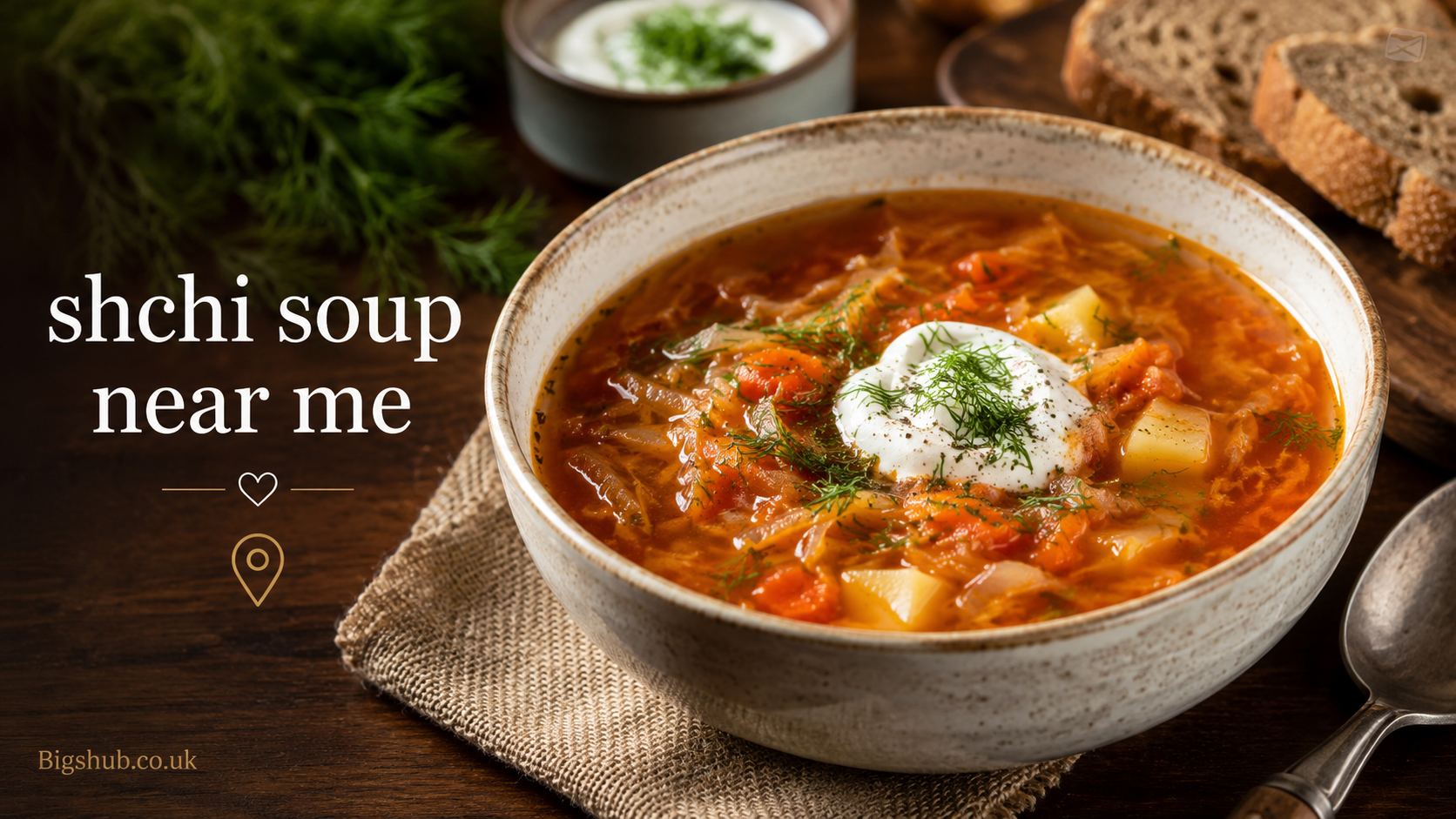
1. Introduction: What “Shchi Soup Near Me” Really Means
When someone types “shchi soup near me” into a search engine, they are not just looking for any ordinary soup—they are searching for comfort, tradition, and a taste of authentic Russian culinary heritage. In today’s global food culture, traditional dishes from Eastern Europe are gaining popularity, and shchi soup stands out as one of the oldest and most beloved soups in Russian cuisine. This keyword reflects a very specific intent: people want to locate nearby restaurants, delis, or hidden culinary gems that serve this hearty cabbage-based soup in its most authentic form. But beyond the simple search lies a deeper curiosity—many users are also trying to understand what shchi is, why it is so famous, and whether they can experience its rich flavor without traveling to Russia.
In essence, “shchi soup near me” is both a food discovery query and a cultural exploration. It connects modern food lovers with centuries-old traditions, offering a gateway into Russian home cooking. Whether you are in a big metropolitan city or a smaller town with diverse dining options, the search reflects a desire for warmth, nourishment, and authenticity. In this article, we will explore everything you need to know—from what shchi soup is, to where you can find it nearby, and even how to make it yourself when local options are limited.
2. What is Shchi Soup? History and Cultural Roots
Shchi is a traditional Russian soup primarily made from cabbage, and it has been a staple in Eastern European diets for over a thousand years. Historically, it was considered a “peasant soup,” because its ingredients were simple, affordable, and widely available even during harsh winters. Despite its humble origins, shchi evolved into a national dish that represents Russian comfort food at its finest. It can be prepared with fresh cabbage or fermented cabbage (sauerkraut), giving it either a light or sour flavor profile depending on regional and seasonal variations.
The cultural importance of shchi goes beyond just nourishment. In traditional Russian households, shchi was cooked daily in large pots and kept warm on the stove so that family members could eat it throughout the day. It symbolized hospitality, warmth, and home stability. Russian literature and folklore often reference shchi as a fundamental part of everyday life, showing how deeply it is rooted in the cultural identity of the region.
Today, when people search for “shchi soup near me,” they are unknowingly tapping into this long culinary history. They are seeking more than food—they are seeking a dish that has sustained generations through cold winters, economic hardships, and cultural transformations. Understanding this background enhances appreciation for every spoonful of shchi served in modern restaurants around the world.
3. Key Ingredients That Make Authentic Shchi Special
Authentic shchi soup is defined by its simplicity, yet every ingredient plays a crucial role in developing its signature taste. The primary ingredient is cabbage, which can be fresh or fermented depending on the recipe style. Fresh cabbage results in a lighter, slightly sweet broth, while sauerkraut creates a sour, tangy depth that many traditionalists prefer. Alongside cabbage, potatoes are commonly added to give the soup body and thickness, while carrots and onions provide sweetness and aromatic balance.
Another important element is the broth base. Traditional shchi is often made with beef or pork stock, although vegetarian versions are also widely enjoyed, especially during fasting periods in Orthodox traditions. Herbs such as dill and bay leaves add a distinctive aroma that defines Russian soups. In some variations, tomato paste or fresh tomatoes are included to introduce acidity and color.
What makes shchi truly special is not just the ingredients themselves but how they are combined and slowly simmered. The long cooking process allows flavors to blend deeply, resulting in a comforting and layered taste profile. When someone searches “shchi soup near me,” they are often hoping to experience this authentic combination of earthy vegetables, savory broth, and subtle sourness that cannot be easily replicated in fast-food or instant versions.
4. Why People Search “Shchi Soup Near Me” Today
The rise in searches for “shchi soup near me” reflects a broader trend in global food culture: people are increasingly interested in authentic ethnic cuisine rather than generic international dishes. Social media, food blogs, and travel content have exposed audiences to lesser-known traditional foods, making shchi soup more recognizable outside of Russia and Eastern Europe.
Another reason for this search trend is the growing demand for comfort food. In a fast-paced world, people often crave warm, homemade-style meals that feel nourishing and grounding. Shchi fits perfectly into this category due to its rich broth and wholesome ingredients. Additionally, health-conscious eaters are drawn to cabbage-based soups because they are low in calories yet high in nutrients, fiber, and vitamins.
There is also a cultural curiosity factor. Many food enthusiasts actively seek out traditional dishes as a way to explore global cultures through taste. Searching for shchi soup nearby becomes a culinary adventure, especially in multicultural cities where Russian or Eastern European restaurants might be hidden gems. Ultimately, this keyword represents a blend of comfort, health, and cultural exploration.
5. How to Identify Authentic Russian Restaurants Near You
When trying to satisfy the intent behind “shchi soup near me,” it is important to distinguish between authentic Russian restaurants and generic Eastern European-inspired eateries. Authentic establishments usually have menus that include traditional dishes such as borscht, pelmeni, blini, and of course, shchi. The presence of these dishes is often a strong indicator of genuine culinary heritage.
Another way to identify authenticity is by looking at the cooking style described in the menu. Traditional Russian kitchens emphasize slow-cooked soups, homemade broths, and seasonal ingredients. Restaurants that highlight homemade or family recipes are more likely to serve shchi in its true form. Additionally, staff familiarity with Russian cuisine can be a helpful sign—if servers can explain variations of shchi or recommend pairing options like rye bread or sour cream, it adds credibility.
Online reviews also play a key role. When searching for “shchi soup near me,” customer feedback on platforms like Google Maps or Yelp can reveal whether the soup is authentic or adapted for local tastes. Photos shared by diners often show whether the dish has the classic cabbage-rich appearance or a modern twist. By combining these factors, you can more effectively find a restaurant that serves genuine shchi soup.
6. Best Types of Places Where You Can Find Shchi Soup
If you are actively searching for “shchi soup near me,” you may be surprised to discover that it is not limited to high-end Russian restaurants. In fact, there are several types of establishments where this traditional soup is commonly served. The most obvious option is authentic Russian or Eastern European restaurants, which often feature shchi as a staple item on their menu.
Another great option is Eastern European delis or grocery-café hybrids. These small businesses often prepare homemade soups daily, including shchi, for customers seeking quick yet traditional meals. They may not have large dining spaces, but they often offer some of the most authentic flavors available outside of Russia.
In multicultural cities, some modern fusion restaurants also include shchi-inspired dishes. While these versions may be slightly adapted to local tastes, they still retain the essence of the original soup. Finally, food markets and cultural festivals are excellent places to discover freshly made shchi, especially during Eastern European cultural events. These venues often showcase homemade recipes passed down through generations, giving you a truly authentic experience.
7. How Shchi Soup is Prepared in Traditional vs Modern Kitchens
Traditional preparation of shchi is a slow and careful process that reflects centuries of culinary practice. In classic Russian kitchens, shchi is simmered for hours to allow cabbage, meat, and vegetables to fully integrate into a rich and flavorful broth. The soup is often cooked in large pots, ensuring that flavors deepen over time. Fermented cabbage is commonly used in traditional recipes, giving the soup its signature sour taste.
Modern kitchens, however, have adapted the recipe for convenience and speed. Many restaurants now prepare shchi in smaller batches or use pressure cooking techniques to reduce cooking time. Some also offer vegetarian or vegan versions, replacing meat-based broth with vegetable stock while maintaining the essence of the dish.
Despite these differences, both traditional and modern versions aim to preserve the comforting nature of shchi. When searching “shchi soup near me,” you may encounter both styles, depending on the restaurant’s philosophy. Some diners prefer the deep, slow-cooked traditional flavor, while others enjoy a lighter, faster-prepared version that still honors the original recipe.
8. Tips for Ordering Shchi Soup Near You
If you are ordering shchi for the first time, there are a few helpful tips to ensure you get the best experience. First, always ask whether the soup is made fresh daily or pre-prepared. Freshly made shchi tends to have a richer and more balanced flavor. Second, inquire about the type of cabbage used, as this significantly affects the taste. Fermented cabbage will give a sour profile, while fresh cabbage offers a milder experience.
It is also a good idea to pair shchi with traditional sides such as rye bread, sour cream, or pickles. These accompaniments enhance the overall flavor and provide a more authentic dining experience. If you are unsure, ask the restaurant staff for recommendations—they are often happy to guide newcomers.
Lastly, be open to variations. Some restaurants may add mushrooms, herbs, or different meats to customize the dish. When searching “shchi soup near me,” flexibility can help you discover unique interpretations while still enjoying the essence of this classic Russian soup.
9. Making Shchi Soup at Home When You Can’t Find It Nearby
If your search for “shchi soup near me” does not yield satisfying results, making it at home is an excellent alternative. The recipe is relatively simple and requires basic ingredients such as cabbage, potatoes, carrots, onions, and broth. You can choose between meat-based or vegetarian versions depending on your preference.
Start by sautéing onions and carrots to build a flavor base, then add chopped cabbage and potatoes. Pour in your broth and allow the mixture to simmer slowly until all vegetables are tender. For a traditional sour version, add sauerkraut or a small amount of fermented cabbage juice. Season with salt, pepper, bay leaves, and dill for an authentic Russian taste.
Homemade shchi not only gives you control over ingredients but also allows you to experience the cultural tradition firsthand. Cooking it slowly fills your kitchen with comforting aromas that reflect the essence of Russian home cooking. Even if you cannot find shchi nearby, making it yourself ensures you never miss out on this timeless dish.
10. Conclusion
The search for “shchi soup near me” is more than just a dining query—it is a journey into one of the oldest culinary traditions in Eastern Europe. From its humble origins as a peasant soup to its status as a beloved national dish, shchi continues to represent warmth, simplicity, and nourishment. Whether you find it in an authentic Russian restaurant, a small Eastern European deli, or decide to make it at home, the experience is always rich and satisfying.
As global food culture continues to evolve, dishes like shchi are gaining new appreciation among food lovers worldwide. So the next time you search for it nearby, remember that you are not just looking for soup—you are exploring history in a bowl.




Post Comment