Everything You Should Know About a Moderate Snow Ice Warning
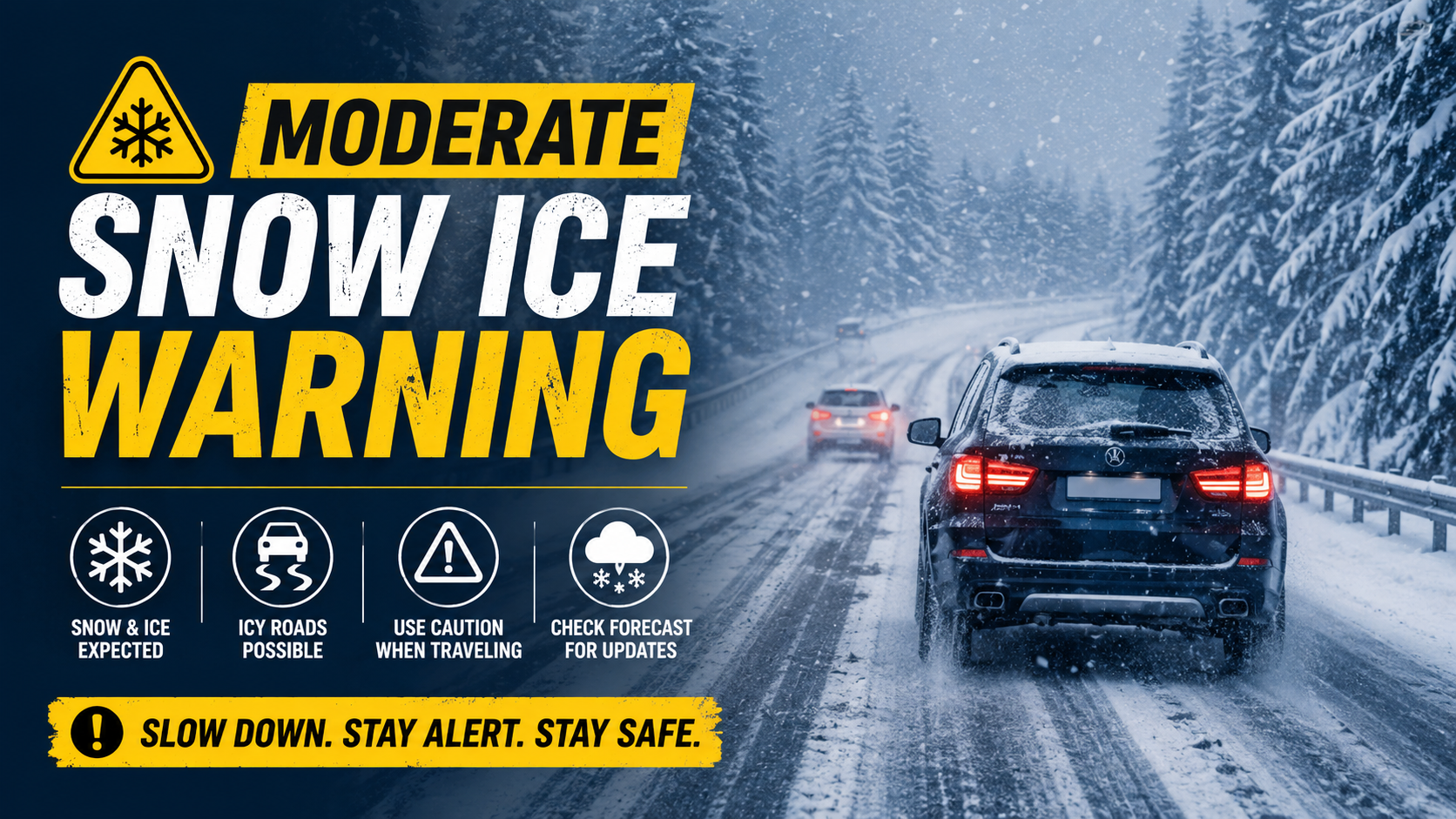
Winter weather can change quickly, and one of the most important alerts people may encounter during colder months is a moderate snow ice warning. While it may not sound as dangerous as a severe blizzard or extreme ice storm alert, this type of warning should never be ignored. Roads can become hazardous, visibility may decrease, and everyday activities can suddenly become risky. Whether you are commuting to work, sending children to school, traveling long distances, or simply walking outside, understanding what a moderate snow ice warning means can help you stay safe and prepared.
A moderate snow ice warning generally indicates that weather conditions involving snow, sleet, freezing rain, or icy surfaces are expected to create disruptions and safety concerns. These warnings are often issued by weather agencies when conditions are serious enough to impact transportation and outdoor activities but may not yet reach the highest level of emergency. Even moderate winter weather can cause accidents, delays, power outages, and dangerous driving conditions if people underestimate the risks.
This guide explains everything you need to know about a moderate snow ice warning, including what it means, how it affects travel, safety precautions, preparation strategies, and how weather experts issue these alerts.
What Is a Moderate Snow Ice Warning?
A moderate snow ice warning is a weather alert issued when a combination of snow and ice is expected to create potentially dangerous conditions. The term “moderate” refers to the expected severity level, meaning the weather event is significant enough to require caution but may not be classified as extreme or catastrophic. These warnings usually involve moderate snowfall, icy roads, freezing rain, or sleet accumulation that can affect transportation systems and daily activities.
Weather agencies monitor atmospheric temperatures, moisture levels, wind speeds, and precipitation patterns to determine when such warnings should be issued. Snow and ice together create especially dangerous situations because ice can form beneath snow layers, making roads and sidewalks slippery and difficult to navigate. Many accidents occur during moderate winter weather events because drivers assume conditions are manageable when hidden ice patches can actually be extremely hazardous.
The warning may remain active for several hours or even days depending on the storm system’s movement and intensity. During this period, authorities typically advise people to avoid unnecessary travel, prepare emergency supplies, and stay updated through weather forecasts.
How Snow and Ice Form During Winter Storms
To fully understand a moderate snow ice warning, it helps to know how snow and ice develop during winter weather systems. Snow forms when atmospheric temperatures remain below freezing, causing moisture in clouds to crystallize into snowflakes. Ice forms when precipitation partially melts and then refreezes upon contact with cold surfaces.
In many winter storms, temperatures fluctuate around the freezing point. This creates mixed precipitation, including snow, sleet, and freezing rain. Freezing rain is particularly dangerous because it coats roads, bridges, trees, and power lines with a thin layer of ice. Even a small amount of ice accumulation can create severe driving hazards and lead to power outages.
Bridges and overpasses freeze more quickly than regular roads because cold air circulates above and below the surface. This is why transportation officials often warn drivers to be especially cautious on elevated structures during a moderate snow ice warning. Black ice, which is nearly invisible, may also develop. Drivers may not realize they are traveling over ice until their vehicles lose traction.
Strong winds can worsen conditions by blowing snow across roadways and reducing visibility. When combined with icy surfaces, these factors create a challenging environment for drivers and pedestrians alike.
Why a Moderate Snow Ice Warning Should Never Be Ignored
Some people mistakenly believe that only severe winter storm warnings require attention. However, moderate snow and ice events can still cause serious disruptions and injuries. Every year, thousands of vehicle accidents occur during moderate winter conditions because drivers underestimate the danger.
One major issue is reduced traction. Snow-covered roads make it harder for tires to grip the surface, while ice can cause vehicles to slide uncontrollably. Braking distances increase significantly during icy conditions, making sudden stops dangerous. Even experienced drivers can lose control if they are traveling too fast for road conditions.
Pedestrians are also at risk during a moderate snow ice warning. Sidewalks, parking lots, and stairs can become slippery, leading to falls and injuries. Elderly individuals are particularly vulnerable to winter-related accidents.
In addition to physical dangers, winter weather can disrupt power lines and transportation systems. Ice accumulation on trees and electrical infrastructure may lead to outages, while airports and train systems often experience delays. Schools and businesses may also close if conditions worsen.
Ignoring a moderate snow ice warning can leave people unprepared for rapidly changing weather. Conditions can deteriorate quickly, especially overnight when temperatures drop further below freezing.
Common Travel Risks During a Moderate Snow Ice Warning
Travel becomes one of the biggest concerns during winter weather alerts. Even moderate snow and ice can make driving extremely dangerous. Slippery roads reduce tire traction, making acceleration, braking, and steering more difficult. Drivers may experience skidding or hydroplaning if ice mixes with slush and water.
Visibility is another major issue. Falling snow, blowing wind, and foggy conditions can make it hard to see road signs, lane markings, and other vehicles. Nighttime driving becomes especially risky because headlights reflect off snowflakes and icy surfaces.
Air travel can also be heavily impacted during a moderate snow ice warning. Snow and ice accumulation on aircraft require de-icing procedures before takeoff, often causing delays or cancellations. Runways may become slippery, reducing airport operations.
Public transportation systems may face disruptions as buses and trains struggle with icy tracks and roads. In some cases, authorities may temporarily close highways or bridges to prevent accidents.
Drivers should always reduce speed during winter weather conditions and leave extra space between vehicles. Sudden braking or sharp turns can lead to loss of control. It is also important to keep fuel tanks at least half full during winter travel in case delays occur.
Essential Safety Tips for Winter Weather Conditions
Preparing for winter weather can reduce the risks associated with a moderate snow ice warning. One of the first steps is staying informed through weather forecasts and emergency alerts. Conditions can change rapidly, so monitoring updates is critical.
At home, people should stock emergency supplies before the storm arrives. Useful items include bottled water, non-perishable food, flashlights, extra batteries, blankets, medications, and portable phone chargers. If power outages occur, these supplies can become essential.
Drivers should winterize their vehicles by checking tires, brakes, windshield wipers, antifreeze levels, and battery performance. Keeping an emergency car kit is highly recommended. This kit should include blankets, jumper cables, a flashlight, ice scraper, snacks, and a first aid kit.
When walking outdoors, wearing shoes with good traction helps reduce the risk of slipping. Layered clothing, gloves, hats, and waterproof outerwear provide protection from freezing temperatures and wind chill.
Families should also have communication plans in place in case severe conditions interrupt normal routines. Children should know emergency contact numbers, and households should identify safe heating options if electricity fails.
How Weather Agencies Issue Snow and Ice Warnings
Meteorologists use advanced forecasting technology to monitor winter storms and determine when warnings should be issued. Satellites, radar systems, computer models, and weather stations collect data on temperature, moisture, air pressure, and wind patterns.
When forecasters predict accumulating snow or dangerous ice conditions, they may issue advisories, watches, or warnings depending on expected severity. A moderate snow ice warning generally means conditions are likely to disrupt normal activities and create safety concerns, even if they are not considered extreme.
Forecasting winter weather is often challenging because small temperature changes can significantly affect precipitation types. For example, a one-degree difference can determine whether precipitation falls as snow, sleet, or freezing rain.
Weather agencies continuously update forecasts as storms evolve. This is why people should not rely only on initial predictions. A moderate warning can sometimes escalate into a more severe alert if conditions worsen unexpectedly.
Many modern weather alerts are distributed through smartphone apps, television broadcasts, emergency notification systems, and social media platforms. These communication tools help communities prepare before hazardous conditions arrive.
The Impact of Moderate Snow Ice Warnings on Daily Life
Even moderate winter storms can affect nearly every part of daily life. Schools may close or delay opening hours if roads become unsafe for buses and parents. Businesses may shift to remote work arrangements to protect employees from dangerous commutes.
Retail stores often experience increased demand for groceries, bottled water, batteries, and winter supplies before storms arrive. People frequently prepare for potential power outages by purchasing generators, heaters, and emergency kits.
Healthcare systems may also feel the effects of winter weather. Emergency rooms often treat more slip-and-fall injuries and vehicle accident victims during snow and ice events. Ambulance response times may slow if roads are difficult to navigate.
Utility companies closely monitor winter storms because ice buildup can damage power lines and transformers. Restoration crews are often placed on standby before major weather systems arrive.
Outdoor workers face additional risks during winter weather alerts. Construction crews, delivery drivers, and utility workers may encounter freezing temperatures, icy surfaces, and limited visibility while performing their jobs.
Communities that frequently experience snow and ice usually have road salt trucks and snowplows prepared in advance. However, even well-equipped cities can struggle when storms intensify quickly.
Climate Change and Increasing Winter Weather Extremes
Climate change discussions often focus on rising temperatures, but changing climate patterns can also influence winter storms. Some scientists believe that warmer atmospheric conditions increase moisture levels, which may contribute to heavier snowfall events in certain regions.
Rapid temperature fluctuations can also create more freezing rain and ice storms. When warm air passes over colder ground temperatures, precipitation may freeze upon contact, leading to dangerous icy conditions.
In some regions, winter storms have become less predictable. Areas that rarely experienced heavy snow or ice in the past may now encounter unusual winter weather events. This can create challenges because infrastructure and communities may not be fully prepared.
Urban areas are particularly vulnerable because heavy snow and ice can disrupt transportation systems, emergency services, and energy infrastructure. As weather patterns continue evolving, preparedness and forecasting technology become increasingly important.
Governments and local authorities continue investing in weather monitoring systems, emergency planning, and infrastructure improvements to better handle future winter storms.
How to Prepare Your Home Before a Snow Ice Warning
Home preparation is one of the most effective ways to reduce stress and danger during winter weather events. Before a moderate snow ice warning takes effect, homeowners should inspect heating systems and ensure furnaces are functioning properly. Replacing air filters and checking smoke detectors are also important safety steps.
Pipes are especially vulnerable during freezing temperatures. Insulating exposed pipes and allowing faucets to drip slightly can help prevent freezing and bursting. A burst pipe can cause major water damage and costly repairs.
People who rely on electric heating should consider backup power options such as generators or battery-powered heating devices. However, generators must always be used outdoors to avoid carbon monoxide poisoning.
Clearing gutters and trimming weak tree branches before winter storms can reduce ice-related damage. Heavy snow and ice accumulation may cause branches to break and damage roofs, vehicles, or power lines.
Keeping sidewalks and driveways salted or shoveled helps prevent slips and falls. Homeowners should also store enough food, water, pet supplies, and medications to last several days in case travel becomes difficult.
Communication devices should remain fully charged before storms arrive. Portable power banks can be extremely useful during power outages.
What to Do During and After a Moderate Snow Ice Warning
During a moderate snow ice warning, the safest choice is often staying indoors unless travel is absolutely necessary. If driving cannot be avoided, people should travel slowly, avoid sudden braking, and keep headlights on for visibility.
It is important to continue monitoring weather updates because conditions may change rapidly. Emergency alerts may include road closures, school cancellations, or upgraded storm warnings.
If power outages occur, people should use flashlights instead of candles whenever possible to reduce fire risks. Doors and windows should remain closed to preserve indoor heat. Wearing multiple clothing layers helps maintain body temperature during heating disruptions.
After the storm passes, caution is still necessary. Black ice can remain on roads and sidewalks even after snow stops falling. Snow removal should also be done carefully because overexertion while shoveling can increase the risk of heart-related emergencies.
Drivers should inspect vehicles before resuming normal travel. Clearing snow from roofs, windows, mirrors, and lights improves visibility and safety. Communities may continue cleanup efforts for several days following moderate winter storms.
Remaining cautious after the warning ends is just as important as preparing beforehand because hidden ice and freezing temperatures may continue creating hazards.
Conclusion
A moderate snow ice warning may not sound as alarming as a major blizzard alert, but it still represents a serious weather situation that requires preparation and caution. Snow and ice can create dangerous driving conditions, slippery walkways, power outages, and disruptions to everyday life. Understanding how these weather systems develop and how to respond safely can significantly reduce the risks associated with winter storms.
Preparation is the key to staying safe during winter weather. Monitoring forecasts, stocking emergency supplies, winterizing vehicles, and limiting unnecessary travel can help individuals and families handle challenging conditions more effectively. Even moderate storms can escalate quickly, especially when temperatures fluctuate near freezing.
As winter weather patterns continue evolving, awareness and preparedness remain essential. By taking moderate snow ice warnings seriously and following proper safety measures, people can protect themselves, their families, and their communities during cold-weather events.
Bigshub.co.uk

Post Comment