What Is Maschinenring Mining? Full Guide for Beginners
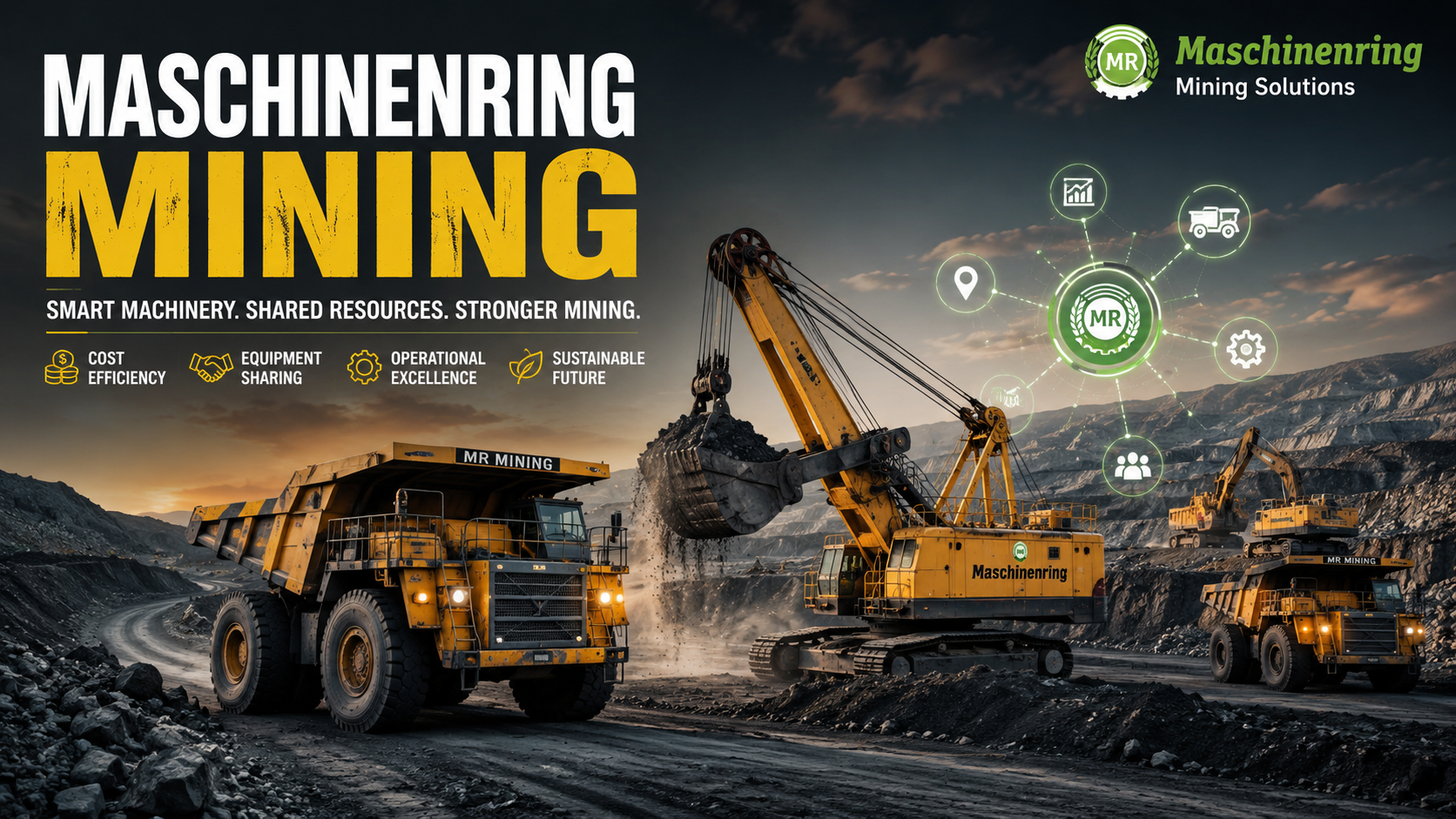
Mining and industrial resource management are evolving rapidly in 2026. Companies across Europe and other parts of the world are adopting smarter, more efficient, and technology-driven systems to improve productivity and reduce costs. One term that has recently attracted attention in industrial discussions is maschinenring mining. While many people associate the word “Maschinenring” with agriculture and machinery-sharing networks, its role in mining and industrial cooperation is becoming increasingly important.
For beginners, understanding maschinenring mining can feel confusing because the concept combines machinery management, industrial collaboration, logistics, and modern mining practices. However, once broken down into simple terms, it becomes much easier to understand. This guide explains everything about maschinenring mining, including how it works, its advantages, the technology behind it, and why it is gaining popularity in modern industrial sectors.
What Does Maschinenring Mining Mean?
The term maschinenring mining comes from the German word “Maschinenring,” which roughly translates to “machine ring” or “machinery network.” Traditionally, Maschinenring organizations were created to help farmers share expensive equipment and reduce operational costs. Over time, this cooperative system expanded into construction, forestry, logistics, and eventually mining-related industries.
In the mining sector, maschinenring mining refers to a collaborative system where machinery, labor, technical services, and operational resources are shared among multiple companies or projects. Instead of every mining company purchasing expensive equipment independently, businesses can access machinery through a shared network. This approach reduces financial pressure while improving operational efficiency.
The concept is particularly valuable for small and medium-sized mining operations that cannot afford heavy machinery on their own. Through shared access, companies gain the benefits of advanced equipment without making massive capital investments. This modern industrial cooperation model is helping businesses remain competitive in a rapidly changing mining industry.
The History Behind Maschinenring Systems
To understand maschinenring mining properly, it is important to know where the concept originated. Maschinenring organizations first appeared in Germany and Austria during the mid-20th century. Farmers struggled with the rising cost of tractors, harvesters, and other agricultural machinery. Since buying equipment individually was expensive, local communities created cooperative networks where members could share machinery.
This model proved highly successful because it reduced costs and improved productivity. Over time, industries outside agriculture recognized the benefits of equipment-sharing systems. Construction companies, forestry businesses, and mining operations began adopting similar strategies.
As mining projects became more technologically advanced and equipment prices continued to rise, the idea of shared machinery networks became even more attractive. Mining companies realized they could access specialized drilling machines, excavation tools, transportation vehicles, and maintenance services through cooperative arrangements instead of purchasing everything outright.
Today, maschinenring mining represents a broader industrial collaboration model that combines machinery-sharing with workforce management, digital logistics, and sustainability initiatives.
How Maschinenring Mining Works
The operational structure of maschinenring mining is relatively straightforward. Multiple companies or contractors join a cooperative system or industrial network. The network manages machinery allocation, scheduling, maintenance, transportation, and workforce coordination.
For example, a mining project may require heavy excavation equipment for only a few weeks. Purchasing that machinery permanently would be extremely costly and inefficient. Instead, the company can rent or share equipment through the Maschinenring network.
The process typically includes:
- Equipment registration within the network
- Scheduling and availability management
- Machinery transportation to mining sites
- Technical support and maintenance services
- Workforce coordination and training
- Cost-sharing among participating companies
Digital technology now plays a major role in these systems. Many maschinenring mining networks use software platforms to track machinery availability, monitor equipment performance, and optimize scheduling. GPS tracking, AI-driven logistics, and predictive maintenance tools help improve efficiency even further.
This organized structure allows mining companies to focus on production while the cooperative network handles operational logistics and machinery management.
Benefits of Maschinenring Mining
One of the main reasons maschinenring mining is becoming more popular is the wide range of benefits it offers. Mining companies face constant pressure to lower operational costs while increasing productivity. Shared-resource systems provide practical solutions to these challenges.
Reduced Capital Investment
Mining equipment is extremely expensive. Excavators, drilling rigs, loaders, and transport vehicles can cost millions of dollars. Through machinery-sharing systems, businesses avoid major upfront investments while still accessing advanced technology.
Improved Equipment Utilization
Many mining machines are not used continuously throughout the year. Shared systems ensure equipment remains active across multiple projects, maximizing utilization rates and reducing waste.
Access to Advanced Technology
Smaller companies often struggle to afford the latest mining technologies. Maschinenring mining gives them access to modern machinery, automation systems, and digital tools that would otherwise be out of reach.
Flexible Operations
Mining projects frequently change depending on market conditions, resource availability, and environmental regulations. Shared machinery networks allow businesses to scale operations up or down more easily.
Lower Maintenance Costs
Maintenance services are often included within cooperative systems. This reduces repair expenses and ensures machinery remains in good condition.
Stronger Industry Collaboration
Maschinenring mining encourages cooperation between companies instead of pure competition. Businesses can share knowledge, expertise, and operational strategies, creating stronger industrial ecosystems.
The Role of Technology in Maschinenring Mining
Technology is transforming every part of the mining industry, and maschinenring mining is no exception. Modern digital systems make shared machinery networks more efficient, transparent, and scalable than ever before.
One important technology is fleet management software. These platforms allow companies to monitor equipment location, fuel consumption, maintenance schedules, and operational performance in real time. GPS tracking ensures machinery is delivered efficiently between mining sites.
Artificial intelligence is also improving resource allocation. AI systems analyze usage patterns and predict machinery demand, helping networks optimize scheduling. Predictive maintenance tools can identify mechanical issues before breakdowns occur, reducing downtime and repair costs.
Automation and remote-controlled machinery are becoming increasingly common in mining operations. Through shared networks, companies can access advanced autonomous equipment without bearing the full financial burden alone.
Cloud computing and data analytics further improve operational transparency. Companies participating in maschinenring mining networks can access performance reports, cost analysis, and productivity metrics through centralized digital platforms.
These technologies are helping transform traditional machinery-sharing systems into highly sophisticated industrial management solutions.
Sustainability and Environmental Advantages
Environmental concerns are a major issue in modern mining operations. Governments, investors, and communities are demanding more sustainable practices from mining companies. Maschinenring mining can support these sustainability goals in several ways.
Shared equipment systems reduce unnecessary machinery production because fewer companies need to purchase duplicate equipment. This lowers manufacturing-related environmental impacts and conserves resources.
Efficient equipment utilization also reduces fuel consumption and carbon emissions. Instead of idle machinery sitting unused at separate locations, equipment is actively shared among projects where it is needed most.
Modern shared networks often prioritize fuel-efficient and environmentally friendly machinery. Companies gain access to cleaner technology without large individual investments.
Digital logistics systems help reduce transportation inefficiencies by optimizing delivery routes and machinery scheduling. This minimizes wasted fuel and operational delays.
In some regions, maschinenring mining networks also support land rehabilitation projects, recycling initiatives, and environmentally responsible mining practices. As sustainability becomes more important in global industries, cooperative systems may play an even larger role in reducing mining’s environmental footprint.
Challenges Facing Maschinenring Mining
Although maschinenring mining offers many advantages, it also comes with several challenges that companies must manage carefully.
Scheduling Conflicts
When multiple businesses rely on shared machinery, scheduling conflicts can occur. If demand is high during certain periods, some companies may face delays in accessing equipment.
Transportation Costs
Moving heavy mining machinery between sites can be expensive and time-consuming. Efficient logistics planning is essential to avoid operational disruptions.
Maintenance Responsibilities
Shared equipment experiences heavy use, making regular maintenance critical. Poor maintenance practices can lead to breakdowns and disagreements among network members.
Data Security Concerns
Digital management systems store operational and financial data. Companies must ensure cybersecurity measures are in place to protect sensitive information.
Regulatory Compliance
Mining regulations vary across regions and countries. Cooperative networks must ensure all shared equipment and operations comply with local laws and environmental standards.
Trust and Cooperation
Successful maschinenring mining systems depend heavily on trust between participating companies. Clear agreements, transparent communication, and fair cost-sharing models are necessary to avoid disputes.
Despite these challenges, many businesses believe the benefits outweigh the risks, especially when networks are professionally managed.
Why Maschinenring Mining Is Growing in 2026
Several global trends are driving the rapid growth of maschinenring mining in 2026. Rising equipment costs are one of the biggest factors. Mining machinery is becoming more advanced, automated, and expensive, making shared-access systems increasingly attractive.
Economic uncertainty is another reason companies prefer flexible operational models. Instead of making massive long-term investments, businesses can adapt more quickly through cooperative resource-sharing arrangements.
The expansion of digital technology has also made machinery-sharing networks easier to manage. Real-time tracking, AI optimization, and cloud-based management systems improve operational efficiency and transparency.
Sustainability goals are influencing corporate strategies as well. Investors and governments are pressuring mining companies to reduce emissions and improve environmental performance. Shared machinery systems support these objectives by improving efficiency and reducing waste.
Labor shortages in certain regions are another contributing factor. Maschinenring mining networks can coordinate skilled workers across multiple projects, helping companies access qualified labor more efficiently.
As industries continue moving toward collaborative and technology-driven business models, the popularity of maschinenring mining is expected to increase further in the coming years.
Industries Connected to Maschinenring Mining
Although mining is a major area of focus, the Maschinenring concept extends into several related industries. Understanding these connections helps explain why the model is so versatile and successful.
Construction
Construction companies often use shared heavy equipment such as cranes, excavators, and bulldozers. Cooperative machinery systems help reduce costs and improve project flexibility.
Forestry
Forestry operations rely on expensive harvesting and transportation equipment. Shared networks allow smaller businesses to compete more effectively.
Agriculture
Agriculture remains the original foundation of Maschinenring systems. Farmers continue sharing tractors, harvesters, irrigation systems, and labor resources through cooperative networks.
Logistics and Transportation
Some Maschinenring organizations provide logistics services, including machinery transportation, supply chain coordination, and fuel management.
Renewable Energy Projects
Wind farms, solar installations, and bioenergy projects sometimes require specialized construction and maintenance equipment that can be shared across multiple sites.
The growing overlap between these industries creates opportunities for broader industrial collaboration and resource optimization.
The Future of Maschinenring Mining
The future of maschinenring mining looks highly promising as industries continue embracing digital transformation and collaborative business models. Experts predict that shared-resource systems will become even more advanced through automation, AI integration, and smart logistics technologies.
Blockchain technology may eventually improve transparency in cooperative agreements by securely tracking machinery usage, maintenance records, and financial transactions.
Autonomous mining equipment is expected to play a major role in the future as well. Shared access to autonomous vehicles and robotic drilling systems could dramatically reduce operational costs for smaller companies.
Environmental regulations will likely push mining companies toward more efficient and sustainable operational strategies. Cooperative machinery networks align well with these sustainability goals.
International expansion is another possibility. While Maschinenring systems originated mainly in Europe, similar models are now attracting attention in Asia, Africa, North America, and South America.
As mining operations become more complex and technology-driven, collaborative systems may become essential for maintaining competitiveness in the global market.
Conclusion
Maschinenring mining represents a modern approach to industrial cooperation, machinery-sharing, and resource optimization within the mining industry. What began as a simple agricultural equipment-sharing concept has evolved into a sophisticated operational model supported by advanced digital technology and collaborative business practices.
For beginners, understanding maschinenring mining means recognizing the value of shared resources, flexible operations, and technological innovation. Companies benefit from reduced equipment costs, improved efficiency, access to modern machinery, and stronger sustainability performance.
Although challenges such as scheduling conflicts, maintenance management, and regulatory compliance exist, the advantages continue driving growth across the industry. In 2026, rising machinery costs, environmental concerns, and digital transformation are making cooperative systems more attractive than ever before.
As technology continues advancing, maschinenring mining is likely to become an even more important part of the global industrial landscape. Businesses that embrace collaborative and efficient operational strategies may gain a significant competitive advantage in the future mining economy.
Bigshub.co.uk




Post Comment