Accessible Car Dealership with Hearing Loop Technology Near You
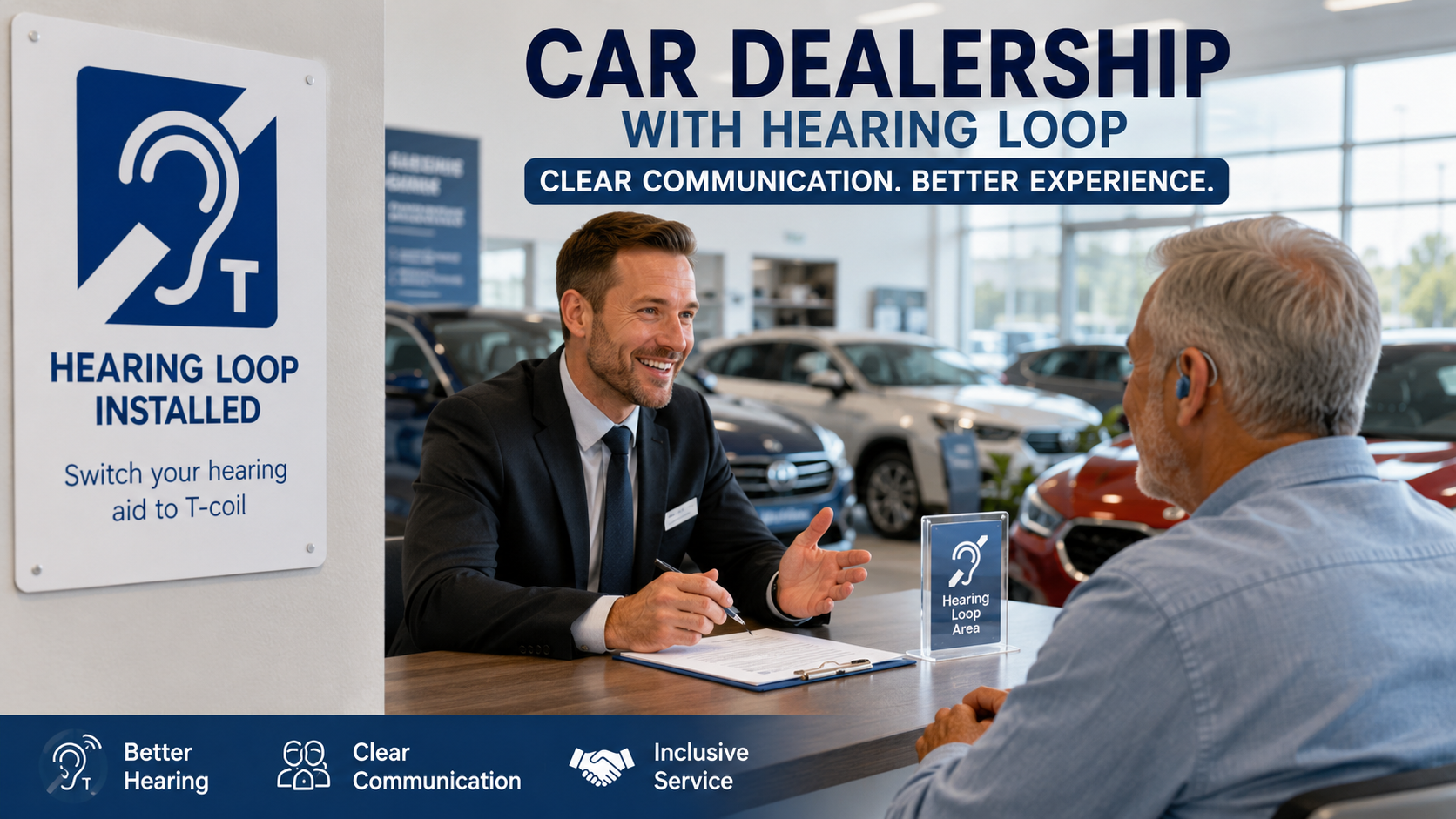
Modern car dealerships are evolving to provide better experiences for every customer, including people who are deaf or hard of hearing. One of the most important accessibility solutions gaining attention today is the hearing loop system. A car dealership with hearing loop technology creates a more comfortable, inclusive, and effective communication environment for customers who rely on hearing aids or cochlear implants. As accessibility standards continue to improve across industries, dealerships that invest in hearing loop systems are becoming preferred destinations for buyers seeking a stress-free vehicle shopping experience.
From discussing financing options to understanding vehicle features and negotiating prices, communication is a major part of purchasing a car. Unfortunately, noisy showroom environments, crowded waiting areas, and unclear audio can make the process difficult for individuals with hearing loss. Hearing loop technology solves this issue by delivering clear sound directly to compatible hearing devices, reducing background noise and improving speech clarity. This innovation not only enhances customer satisfaction but also demonstrates a dealership’s commitment to equal access and customer care.
In this article, we will explore everything you need to know about choosing an accessible car dealership with hearing loop technology near you. We will discuss how hearing loops work, why accessibility matters in the automotive industry, the benefits for customers and dealerships, and what features to look for when selecting a dealership that prioritizes inclusive communication.
Understanding What a Hearing Loop System Is
A hearing loop, also known as an induction loop system, is an assistive listening technology designed to help people with hearing aids or cochlear implants hear more clearly in public spaces. The system works by transmitting sound directly into hearing devices equipped with a telecoil or “T-coil” feature. This direct audio transmission significantly reduces background noise, echoes, and distractions that commonly interfere with communication in busy environments like car dealerships.
The hearing loop system typically includes a microphone, an amplifier, and a loop of wire installed around a designated area such as a reception desk, showroom, finance office, or customer lounge. When a salesperson or staff member speaks into the microphone, the sound is converted into a magnetic signal that is picked up by the hearing aid or cochlear implant. This allows the customer to hear the speaker’s voice clearly and directly through their hearing device.
In a car dealership setting, hearing loops can improve communication during vehicle demonstrations, paperwork discussions, service consultations, and financing meetings. Customers no longer need to struggle with lip-reading or repeatedly ask staff members to repeat information. Instead, they can confidently engage in conversations with greater clarity and comfort.
As awareness of accessibility grows, more dealerships are recognizing the value of implementing hearing loop technology. It is becoming an essential accessibility feature alongside wheelchair ramps, accessible parking spaces, and visual signage.
Why Accessibility Matters in Car Dealerships
Accessibility is no longer optional for businesses that want to provide excellent customer service. For car dealerships, accessibility is especially important because buying a vehicle is a significant financial decision that requires clear communication and detailed information exchange. Customers must understand pricing, warranties, financing terms, insurance options, vehicle features, and maintenance recommendations. If communication barriers exist, the customer experience can become frustrating and stressful.
A car dealership with hearing loop technology demonstrates respect and inclusion for customers with hearing challenges. According to global health organizations, millions of people worldwide live with hearing loss, and many rely on hearing aids or cochlear implants to communicate effectively. Traditional dealership environments can be difficult for these individuals because showrooms are often filled with loud conversations, music, phone calls, and vehicle noise.
When dealerships invest in hearing loop systems, they create an environment where customers feel welcomed and supported. Accessibility also builds trust. Customers are more likely to return to businesses where they feel understood and accommodated. In addition, accessible dealerships often gain positive word-of-mouth referrals from the deaf and hard-of-hearing community.
Accessibility benefits extend beyond customers as well. Employees with hearing impairments can also use hearing loop systems to improve workplace communication. This creates a more inclusive work environment and demonstrates the dealership’s commitment to diversity and equal opportunity.
As governments and organizations continue to encourage accessible public spaces, hearing loop systems are becoming an increasingly important part of modern business infrastructure.
How Hearing Loop Technology Improves the Car Buying Experience
The car-buying process involves multiple conversations and detailed explanations. Customers must communicate with sales representatives, finance managers, service advisors, and insurance specialists. For individuals with hearing loss, this process can quickly become exhausting if they struggle to hear important details.
Hearing loop technology transforms the customer experience by providing clear, direct audio communication. Instead of trying to filter out background noise, customers can focus entirely on the conversation. This leads to better understanding, improved confidence, and reduced anxiety throughout the buying process.
For example, during a test drive discussion, a salesperson can explain safety features, navigation systems, and performance details more effectively when using a hearing loop-equipped communication area. In the finance office, customers can clearly hear loan terms, monthly payment explanations, and warranty details without misunderstanding critical information.
The service department also benefits from hearing loop technology. Customers bringing vehicles in for maintenance often need to discuss repair recommendations and pricing. Clear communication reduces misunderstandings and ensures customers fully understand the services being provided.
Another major advantage is independence. Customers with hearing impairments can communicate without relying heavily on family members or companions to interpret conversations. This promotes dignity and self-confidence while improving the overall dealership experience.
Ultimately, hearing loop technology helps create a smoother, more enjoyable, and more professional customer journey from start to finish.
Key Features to Look for in a Car Dealership with Hearing Loop
Not all dealerships offer the same level of accessibility, so it is important to know what features to look for when choosing a dealership with hearing loop technology. A truly accessible dealership goes beyond simply installing a hearing loop system. It creates an environment designed to support effective communication and customer comfort.
One of the first things to look for is clearly marked hearing loop signage. Dealerships should display internationally recognized hearing loop symbols at entrances, reception areas, and meeting rooms so customers know assistance is available.
Customers should also ask whether hearing loops are available in key communication areas such as sales desks, finance offices, service counters, and waiting lounges. Some dealerships only install hearing loops in limited spaces, which may reduce overall convenience.
Staff training is another important factor. Employees should understand how hearing loop systems work and know how to assist customers who use them. Friendly, patient, and informed staff members contribute significantly to a positive customer experience.
In addition to hearing loops, accessible dealerships may offer other helpful features such as captioned videos, visual display systems, quiet consultation rooms, accessible websites, text-based communication options, and appointment scheduling accommodations.
Good lighting is also essential because many people with hearing loss rely partially on lip-reading and facial expressions. Well-lit conversation areas make communication easier and more effective.
Finally, customer reviews can provide valuable insight into the dealership’s accessibility efforts. Reading testimonials from deaf or hard-of-hearing customers can help identify dealerships that genuinely prioritize inclusive service.
Benefits of Hearing Loop Systems for Dealership Owners
Installing hearing loop systems is not only beneficial for customers but also advantageous for dealership owners. Accessibility improvements can strengthen a dealership’s reputation, attract more customers, and enhance overall customer satisfaction.
One major benefit is expanded market reach. Millions of people worldwide experience hearing loss, and many actively seek businesses that accommodate their communication needs. A dealership known for accessibility can stand out in a competitive automotive market and attract loyal customers who appreciate inclusive service.
Customer satisfaction also improves significantly when communication barriers are reduced. Clear conversations lead to better understanding, fewer misunderstandings, and smoother transactions. Satisfied customers are more likely to leave positive reviews, recommend the dealership to others, and return for future purchases or service appointments.
Accessibility investments can also demonstrate social responsibility and compliance with accessibility regulations. In many regions, businesses are encouraged or required to provide accommodations for people with disabilities. Hearing loop systems help dealerships meet these expectations while creating a more welcoming environment.
Additionally, hearing loop technology can improve communication for all customers, not just those with hearing aids. Clearer sound quality benefits older adults, individuals with mild hearing difficulties, and anyone struggling to hear in noisy environments.
From a business perspective, accessibility is increasingly viewed as a competitive advantage rather than an expense. Dealerships that prioritize inclusive communication position themselves as modern, customer-focused businesses that value every visitor.
The Role of Technology in Inclusive Automotive Services
Technology is reshaping the automotive industry in many ways, and accessibility innovations are becoming a key part of customer service strategies. Hearing loop systems represent just one example of how dealerships are using technology to create more inclusive experiences.
Modern dealerships are integrating various accessibility solutions alongside hearing loops. Video relay services, speech-to-text applications, online chat support, and digital communication tools are helping customers communicate more effectively throughout the vehicle purchasing process.
Virtual showroom tours and online appointment scheduling also provide convenience for customers who prefer digital communication. Some dealerships even offer video consultations with captioning services to assist remote customers with hearing impairments.
Smart showroom designs are also contributing to accessibility improvements. Acoustic treatments, quieter consultation spaces, and enhanced sound systems help reduce communication challenges. Combined with hearing loop technology, these innovations create a more supportive environment for all customers.
As electric vehicles and connected car technologies continue to evolve, dealerships must ensure accessibility remains a priority. Inclusive technology solutions should be integrated into every aspect of the customer journey, from initial inquiries to post-purchase support.
The future of automotive retail will likely include even more advanced communication technologies designed to support customers with diverse needs. Dealerships that adopt accessibility innovations early will be better positioned to meet evolving customer expectations.
How to Find a Car Dealership with Hearing Loop Technology Near You
Finding an accessible dealership with hearing loop technology may require some research, but several strategies can help simplify the process. Start by searching online using phrases such as “car dealership with hearing loop near me” or “accessible car dealership for hearing impaired customers.”
Dealership websites may mention accessibility features in their customer service or facilities sections. Look for references to assistive listening systems, hearing loop installations, or accessibility accommodations.
Calling the dealership directly is another effective approach. Ask whether hearing loop systems are available and where they are installed within the dealership. Inquire about staff training and other accessibility services offered for deaf or hard-of-hearing customers.
Online reviews can also provide valuable insights. Customers often share their experiences regarding accessibility and communication quality. Positive reviews from hearing-impaired customers can help identify dealerships with strong accessibility practices.
Community organizations that support people with hearing loss may also maintain directories or recommendations for accessible businesses. Hearing healthcare providers and advocacy groups can sometimes suggest local dealerships known for inclusive customer service.
Social media platforms and local forums may also help uncover recommendations from individuals who have firsthand experience with accessible dealerships.
By taking the time to research and ask questions, customers can find dealerships that prioritize clear communication and inclusive service.
Common Misconceptions About Hearing Loop Systems
Despite their effectiveness, hearing loop systems are sometimes misunderstood. One common misconception is that hearing loops are only useful for people with severe hearing loss. In reality, many individuals with mild or moderate hearing difficulties can benefit from improved audio clarity in noisy environments.
Another misconception is that hearing loops are complicated to use. Most hearing aids and cochlear implants with telecoil functionality can connect automatically or with a simple setting adjustment. Once activated, the hearing loop delivers audio directly to the user’s hearing device.
Some businesses mistakenly believe hearing loops are outdated technology. However, hearing loops remain one of the most reliable and user-friendly assistive listening systems available today. Unlike some wireless systems, hearing loops do not require users to borrow or wear additional equipment.
There is also a misconception that hearing loops are too expensive for small businesses. While installation costs vary, many dealerships find that the long-term benefits in customer satisfaction and accessibility outweigh the initial investment.
Finally, some people assume accessibility features are only necessary for legal compliance. In reality, accessibility is about creating positive experiences and ensuring every customer feels respected and included.
Understanding the true value of hearing loop systems helps businesses and customers appreciate their importance in modern public spaces.
The Future of Accessible Car Dealerships
The future of automotive retail is becoming increasingly customer-focused, and accessibility will continue to play a major role in shaping dealership experiences. As awareness of hearing loss and communication barriers grows, more dealerships are expected to adopt hearing loop systems and other inclusive technologies.
Future dealerships may integrate advanced assistive communication systems powered by artificial intelligence and smart audio processing. Real-time speech transcription, multilingual captioning, and personalized communication tools could become standard features in accessible showrooms.
Automotive brands are also recognizing the importance of inclusivity in their customer service strategies. Manufacturers may encourage dealership partners to improve accessibility standards and invest in assistive technologies.
Government regulations and accessibility guidelines are likely to evolve as well, encouraging more businesses to provide effective accommodations for people with disabilities. Hearing loop systems could eventually become a standard accessibility feature in automotive retail environments.
Customer expectations are also changing. Modern consumers increasingly prefer businesses that demonstrate social responsibility, inclusivity, and community support. Dealerships that prioritize accessibility are more likely to build lasting relationships with diverse customer groups.
The shift toward accessible automotive services represents a positive step forward for both businesses and consumers. It reflects a broader commitment to equality, communication, and customer-centered experiences.
Conclusion
Choosing a car dealership with hearing loop technology can make a significant difference in the vehicle buying and servicing experience for individuals with hearing loss. Clear communication is essential when making important financial decisions, and hearing loop systems help eliminate many of the barriers commonly found in busy dealership environments.
Accessible dealerships demonstrate a commitment to inclusion, customer care, and modern service standards. By investing in hearing loop technology, dealerships create welcoming spaces where deaf and hard-of-hearing customers can communicate confidently and independently.
As awareness of accessibility continues to grow, hearing loop systems are becoming an increasingly valuable feature in automotive retail settings. Customers searching for an accessible dealership should look for businesses that prioritize communication, staff training, and inclusive design.
The future of car dealerships is moving toward greater accessibility and customer-focused innovation. Businesses that embrace hearing loop technology today are helping build a more inclusive and supportive automotive industry for everyone.
Bigshub.co.uk



Post Comment